Posted on

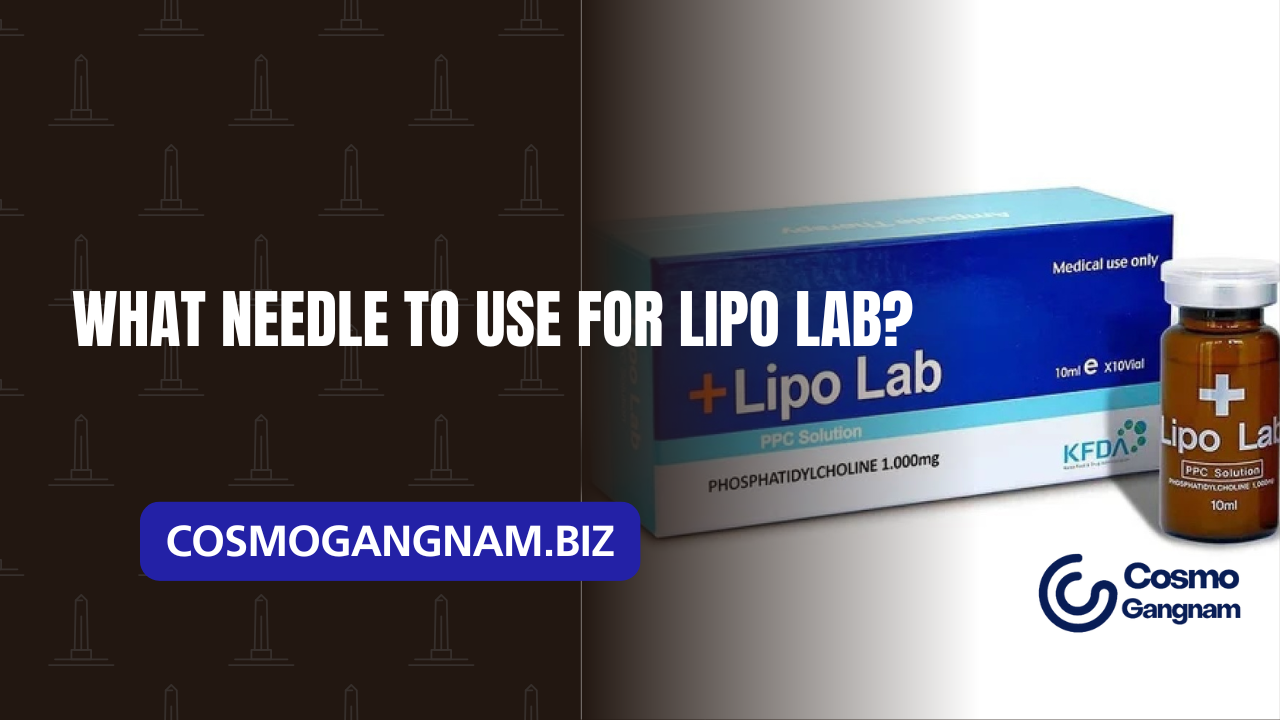
What Needle To Use For Lipo Lab?

What Needle To Use For Lipo Lab

What types of needles are appropriate for Lipo Lab procedures? This is a question often faced by professionals in the field of cosmetic surgery and aesthetic treatments. The choice of needle can significantly impact the outcome, patient comfort, and the overall efficiency of the procedure.

In this article, I will delve into the specifics of selecting the appropriate needle for Lipo Lab treatments. I will examine various needle types, their dimensions, purposes, and best practices. My aim is to provide a detailed, comprehensive guide that will help you make informed decisions for your practice.

Click to view the What Needle To Use For Lipo Lab?.

Understanding Lipo Lab Procedures

Before selecting the right needle, it is essential to understand what Lipo Lab procedures entail. Lipo Lab refers to localized fat reduction treatments that often involve the injection of specific solutions to break down fat cells. These treatments are generally minimally invasive and can be used on different parts of the body, such as the abdomen, thighs, arms, and chin.

Goals of Lipo Lab Treatments

The primary goals of Lipo Lab treatments include:

  1. Fat Reduction: Reducing localized fat pockets that are resistant to diet and exercise.
  2. Contour Improvement: Enhancing the body’s contour and appearance.
  3. Minimally Invasive Approach: Achieving results with less downtime and fewer complications compared to traditional liposuction.

Solution Used in Lipo Lab

Most Lipo Lab treatments involve the injection of a specially formulated solution. This solution typically contains a combination of phosphatidylcholine (PPC) and deoxycholate, which work together to break down fat cells. The solution’s efficacy, however, is also influenced by the type of needle used during the procedure.

Types of Needles Used in Lipo Lab

Several types of needles can be used in Lipo Lab treatments. Each type has its own unique characteristics and is suited for specific purposes. Generally, the needles can be classified based on their gauge, length, and design.

Needle Gauge

Needle gauge refers to the needle’s diameter. It is crucial to choose the correct gauge to ensure the solution flows efficiently and the procedure is comfortable for the patient. Here is a breakdown of common needle gauges used in Lipo Lab treatments:

GaugeDiameter (mm)Suitability for Lipo Lab
18G1.27Suitable for injecting larger volumes of solution, generally used in larger treatment areas
21G0.80Versatile; can be used for both large and smaller treatment areas
23G0.60More precise; optimal for smaller areas needing detailed work
25G0.50Excellent for precision injections in delicate or sensitive areas

Needle Length

Needle length is another critical factor. It affects the depth of the injection and the coverage area of the solution. Common lengths include:

Length (inch)Length (mm)Best Use Case
1″25.4Covers standard depth for most areas
1.5″38.1Suitable for deeper fat layers
2″50.8For patients with a higher body fat percentage

Needle Design

The design of the needle also plays a role in the treatment’s effectiveness and patient comfort. Some designs that are commonly used in Lipo Lab treatments include:

  • Standard Bevel Needle: It has a slanted, sharp tip for easy penetration and is suitable for generalized use.
  • Microcannula: A blunt-tipped, flexible needle designed to minimize bruising and discomfort, ideal for treating large areas with fewer injection points.
  • Luer Lock Needle: This needle has a screw design to securely attach to syringes, allowing for stable and reliable injections.

Best Practices

Selecting the appropriate needle for Lipo Lab treatments involves understanding the nuances of each type and design. Here are some best practices to help guide your decision-making process:

Patient Assessment

Assessing the patient is the first step in determining the appropriate needle. Factors to consider include:

  • Body Fat Percentage: Higher fat percentages might require longer and wider gauge needles.
  • Treatment Area: Smaller or more delicate areas like the chin may necessitate thinner, shorter needles.
  • Skin Sensitivity: Sensitive skin may benefit from the use of a microcannula to reduce bruising and discomfort.

Injection Technique

Different techniques require different needles. For instance:

  • Linear Threading: Involves inserting the needle along the treatment area in a straight line. A longer needle might be preferred.
  • Fan Technique: Multiple injections from a single entry point, often using a microcannula.

Solution Characteristics

The viscosity of the solution being injected will also influence needle selection.

  • Viscous Solutions: Thicker solutions may require a wider gauge needle to ensure smooth injection and reduce clogging.
  • Less Viscous Solutions: Thinner solutions can be administered through narrower gauge needles.

Key Considerations for Optimal Results

Comfort vs. Efficacy

There is often a balance between patient comfort and procedural efficacy. Thinner needles might be more comfortable for the patient but may not be suitable for injecting larger volumes of solution. Conversely, thicker needles might be more efficient but can cause more discomfort. Striking the right balance is essential for optimal results.

Sterility and Safety

Maintaining sterility is paramount in any medical procedure. Always ensure that needles are sterile and single-use to prevent any risk of infection or complications.

Training and Expertise

The effectiveness of Lipo Lab treatments is highly dependent on the practitioner’s expertise. Proper training in injection techniques, understanding needle types, and patient assessment is crucial for achieving the best outcomes.

Conclusion

Choosing the correct needle for Lipo Lab procedures involves a comprehensive understanding of the various types of needles, their specific uses, and the nuances of each treatment area. By considering factors such as the patient’s body composition, skin sensitivity, and the characteristics of the solution being used, you can make informed decisions that enhance the overall efficacy and comfort of the treatment.

I hope this guide provides the detailed insights needed to select the most appropriate needle for Lipo Lab treatments. Ensuring the right choice not only improves outcomes but also optimizes patient satisfaction and overall procedural efficiency.

Discover more about the What Needle To Use For Lipo Lab?.
Posted on

Does Lipo Lab Need To Be Diluted?

Does Lipo Lab Need To Be Diluted?
Check out the Does Lipo Lab Need To Be Diluted? here.

Introduction

Have you ever wondered about the precise requirements for using Lipo Lab? This question is particularly relevant for both medical professionals and individuals considering Lipo Lab for body contouring purposes. Understanding whether or not these products need to be diluted can significantly impact their effectiveness and safety. In this article, I will explain whether Lipo Lab needs to be diluted and dive into the procedures, benefits, and best practices associated with its usage.

What is Lipo Lab?

Lipo Lab is a fat-dissolving injectable product designed to break down localized fat deposits in the body. It is often used for body contouring and is considered a non-surgical method for achieving a more sculpted appearance. The primary ingredient in Lipo Lab is phosphatidylcholine, a natural substance that helps to emulsify fat. Other components include deoxycholate, which further aids in the degradation of fat cells.

Composition and Ingredients

Phosphatidylcholine

Phosphatidylcholine (PPC) is a phospholipid that is naturally found in the body. It plays a crucial role in the metabolism and transportation of fats. PPC is responsible for emulsifying the fat, making it easier for the body to break it down and eliminate it through the lymphatic system.

Deoxycholate

Deoxycholate is a bile salt that helps to dissolve fat cells. When combined with PPC, deoxycholate enhances the lipolytic effect, making the fat breakdown process more efficient.

Additional Components

While PPC and deoxycholate are the key active ingredients, Lipo Lab may contain other ingredients such as L-carnitine, which helps in the transport of fatty acids, and various vitamins and minerals to support overall health during the procedure.

Why Dilution is Considered?

The idea of diluting Lipo Lab arises for several reasons, most of which pertain to safety and efficacy. Dilution is often considered to reduce the risk of adverse reactions, ensure even distribution, and modulate the potency of the active ingredients.

Risk of Adverse Reactions

One of the primary concerns with using undiluted Lipo Lab is the risk of adverse reactions. These can include localized swelling, pain, and redness. By diluting the product, the concentration of active ingredients is reduced, which can minimize the likelihood of such side effects.

Ensuring Even Distribution

Dilution can help in achieving a more even distribution of the product. When injecting Lipo Lab, it’s crucial that the product spreads evenly to avoid the formation of lumps or irregularities in the treated area.

Modulating Potency

Sometimes, the full concentration of Lipo Lab may be too potent for smaller areas or for individuals with sensitive skin. Dilution allows for modulation of the product’s potency, making it more suitable for varying needs.

How to Dilute Lipo Lab

Recommended Dilution Ratios

Medical professionals often recommend different dilution ratios based on the specific area being treated and the individual’s body type. A common dilution ratio is 1:1, meaning one part Lipo Lab to one part saline or another diluent.

Area of TreatmentRecommended Dilution Ratio
Abdomen1:1
Thighs1:1
Chin1:2
Arms1:1

Step-by-Step Procedure

  1. Prepare Materials: Gather all necessary materials, including Lipo Lab, saline solution, syringes, and antiseptic wipes.
  2. Mixing Process: Draw the recommended amount of Lipo Lab into a syringe. Next, draw the same or recommended amount of saline solution into another syringe.
  3. Combining: Slowly combine the contents of both syringes into a sterile mixing container. Ensure thorough mixing to achieve a homogenous solution.
  4. Loading the Syringe: Once mixed, draw the diluted solution back into a syringe for administration.
  5. Administration: Proceed with the injection process as per medical guidelines, ensuring even distribution.

Benefits of Diluting Lipo Lab

Reduced Risk of Side Effects

Diluting Lipo Lab can help reduce the risk of side effects such as bruising, swelling, and discomfort. This is particularly beneficial for individuals with sensitive skin or those undergoing their first treatment.

Better Control Over Potency

Dilution allows for better control over the potency of the product, making it more adaptable for treating different body areas and types of fat deposits.

Cost-Effectiveness

In some cases, dilution can make the product more cost-effective by allowing a smaller amount of the primary product to cover a larger treatment area, thereby enhancing both resource allocation and cost-efficiency.

Enhanced Precision

By diluting the solution, medical professionals can achieve greater precision in treating smaller or more delicate areas, such as the chin or under-eye regions.

Common Misconceptions

Effectiveness of Diluted Product

A common misconception is that diluting Lipo Lab reduces its effectiveness. In reality, when done correctly, dilution does not compromise the efficacy of the product. Instead, it can enhance the overall treatment outcome by reducing side effects and allowing for more tailored dosing.

Professional Guidance

Another misconception is that dilution can be done without professional guidance. It is crucial to follow the recommendations and guidelines provided by qualified medical professionals to ensure safety and effectiveness.

When Not to Dilute

Specific Cases

There are cases where dilution may not be necessary or recommended. For instance, in larger areas with significant fat deposits, using the product at full concentration might be more effective for achieving the desired results.

Professional Judgment

Ultimately, the decision to dilute or not should be made based on professional judgment. Healthcare providers must evaluate each case individually, considering factors like the patient’s health, the treatment area, and the desired outcomes.

Potential Risks and Precautions

Over-Dilution

Over-diluting Lipo Lab can render it ineffective. It is crucial to adhere to recommended dilution ratios to maintain the potency and effectiveness of the treatment.

Sterility

Maintaining sterility during the dilution process is paramount. Contamination can lead to infections and other complications, underscoring the importance of following strict aseptic techniques.

Proper Training

Only trained professionals should perform the dilution and administration of Lipo Lab. Lack of proper training can result in incorrect dilution ratios, uneven product distribution, and other adverse outcomes.

Legal and Regulatory Considerations

Approved Usage

Lipo Lab must be used in accordance with local regulations and approved medical guidelines. Unauthorized or off-label use can result in legal liabilities and adverse health outcomes.

Manufacturer’s Guidelines

Always refer to the manufacturer’s guidelines for dilution and administration. These guidelines provide valuable information to ensure safe and effective use.

Documentation and Consent

Proper documentation and patient consent are vital. Every procedure should be documented meticulously, and patients must be fully informed of the risks, benefits, and alternatives before proceeding.

Conclusion

So, does Lipo Lab need to be diluted? The answer depends on various factors, including the area being treated, the patient’s individual characteristics, and professional judgment. Dilution can offer numerous benefits, such as reduced side effects, better control over potency, cost-effectiveness, and enhanced precision. However, it is imperative to follow recommended guidelines and consult with healthcare professionals to ensure safe and effective treatment.

By understanding the nuances of diluting Lipo Lab, medical professionals and individuals can make more informed decisions, maximizing the benefits while minimizing risks. Always prioritize safety and professional guidance to achieve the best possible outcomes in body contouring treatments.

Discover more about the Does Lipo Lab Need To Be Diluted?.